The Hidden Costs of Buying a Home in Florida: What Out-of-State Buyers Should Know
Key Takeaway
The hidden costs of buying a home in Florida often include homeowners insurance, property taxes after purchase, HOA fees, CDD fees, flood insurance, lawn care, pool maintenance, pest control, utilities, inspections, and repair reserves. Out-of-state buyers moving to Central Florida should review the full monthly cost before making an offer. Joseph Tipa helps buyers relocating to Kissimmee, Davenport, Saint Cloud, Orlando, Haines City, and Winter Haven understand the true cost of ownership before they buy.
What hidden costs should buyers know before buying a home in Florida?
When buyers search homes online, they usually focus on the listing price.
That is understandable, but the listing price is only part of the cost.
In Florida, especially in Central Florida communities like Kissimmee, Davenport, Saint Cloud, Orlando, Haines City, and Winter Haven, buyers should look carefully at the full cost of ownership.
A home that looks affordable online may become more expensive once you include insurance, taxes, HOA fees, CDD fees, flood insurance, maintenance, utilities, and community rules.
This is especially important for out-of-state buyers who may be comparing Florida to a very different real estate market.
1. Homeowners insurance
Homeowners insurance is one of the biggest costs buyers may underestimate.
Insurance can vary based on:
- Home age
- Roof age
- HVAC age
- Plumbing
- Electrical system
- Wind mitigation features
- Prior claims
- Property condition
- Location
- Replacement cost
Older homes may require a four-point inspection. Insurance companies may pay close attention to the roof, water heater, electrical panel, plumbing, and HVAC system.
Before making an offer, buyers should understand whether the home may be easy or difficult to insure.
2. Property taxes after purchase
Out-of-state buyers often look at the seller’s current property tax bill and assume that is what they will pay.
In Florida, the tax bill may change after purchase.
The seller may have a homestead exemption or a lower assessed value from long-term ownership. After the sale, the new buyer’s tax amount may be different.
Before buying, ask:
- What is the estimated property tax after purchase?
- Is the seller currently homesteaded?
- Could the assessed value change?
- Are there CDD fees included in the tax bill?
This is one of the most common surprises for relocating buyers.
3. HOA fees
Many Central Florida communities have homeowners associations.
HOA fees may cover:
- Community landscaping
- Gates
- Pools
- Clubhouses
- Fitness centers
- Playgrounds
- Common areas
- Management
- Exterior maintenance in some communities
HOA fees vary widely by community. Buyers should also review the rules, not just the monthly amount.
The HOA may have restrictions related to:
- Parking
- Pets
- Rentals
- Short-term rentals
- Exterior changes
- Landscaping
- Commercial vehicles
- Boats or RVs
The rules can matter just as much as the fee.
4. CDD fees
CDD fees are common in some newer communities.
A CDD, or Community Development District, is often tied to infrastructure costs such as roads, utilities, drainage, and community improvements.
CDD fees may appear on the property tax bill, which can make them easy to miss if you are only looking at the listing price.
Before buying, ask:
- Is there a CDD?
- How much is the annual CDD fee?
- Is it included in the tax estimate?
- How long does the fee last?
- How does it affect the monthly payment?
CDD fees are especially important when comparing new construction communities.
5. Flood insurance
Not every Central Florida home requires flood insurance, but buyers should verify the flood zone before purchasing.
Flood insurance may be required by a lender if the home is in a certain flood zone. Even if it is not required, some buyers may still choose to carry it depending on the property and location.
Flood-related questions to ask include:
- Is the home in a FEMA flood zone?
- Is flood insurance required?
- Are there ponds, lakes, or drainage areas nearby?
- How does the street handle heavy rain?
- Is the lot graded properly?
- Are there signs of prior water intrusion?
Flood risk can vary by property, not just by city.
6. Lawn care and landscaping
Florida landscaping grows quickly.
If you are moving from another state, you may be surprised by how often lawn care is needed. Some buyers handle it themselves, while others hire a lawn service.
Monthly lawn costs can vary depending on:
- Lot size
- Landscaping complexity
- Irrigation needs
- HOA standards
- Whether the property has trees, hedges, or palms
Some HOAs have strict landscaping requirements, so buyers should factor this into the monthly budget.
7. Pool maintenance
Many Central Florida homes have pools.
A pool can be a great lifestyle feature, but it adds monthly maintenance.
Pool-related costs may include:
- Cleaning service
- Chemicals
- Equipment repairs
- Pump replacement
- Heater maintenance
- Screen enclosure repairs
- Resurfacing over time
If a home has a pool, buyers should consider a pool inspection before closing.
8. Pest control
Pest control is another common Florida ownership cost.
Florida’s climate means homeowners often use regular pest control services. Buyers should consider treatment for general pests, termites, ants, roaches, rodents, and lawn pests depending on the property.
For some homes, a wood-destroying organism inspection may also be recommended.
9. Utilities
Utility costs can vary depending on the home.
Factors include:
- Square footage
- Age of windows
- Insulation
- HVAC efficiency
- Pool equipment
- Irrigation
- Number of occupants
- Electric provider
- Water and sewer provider
Older homes or homes with inefficient systems may cost more to operate.
If monthly budget matters, utilities should be part of the conversation before making an offer.
10. Repairs and maintenance reserves
Every homeowner should budget for maintenance.
Even if the home passes inspection, future repairs can happen. Roofs, HVAC systems, water heaters, appliances, plumbing, and electrical components all have life spans.
Buyers should think about:
- Roof age
- HVAC age
- Water heater age
- Appliance age
- Exterior paint
- Windows
- Flooring
- Plumbing fixtures
- Irrigation system
- Pool equipment
A home with older systems may still be a good purchase, but the buyer should understand the likely future costs.
How can out-of-state buyers avoid cost surprises?
The best way to avoid surprises is to review the full monthly cost before making an offer.
That means looking at:
- Purchase price
- Loan payment
- Property taxes
- Homeowners insurance
- Flood insurance
- HOA fees
- CDD fees
- Utilities
- Maintenance
- Lawn care
- Pool care
- Pest control
It also means having a local buyer’s agent who understands Central Florida fees, community differences, insurance concerns, and new construction costs.
How Joseph Tipa helps buyers understand the real cost
When I help out-of-state buyers relocate to Central Florida, I do not want them to make decisions based only on listing photos or estimated mortgage calculators.
I help buyers compare the full picture, including:
- City differences
- HOA and CDD fees
- Property tax questions
- Insurance concerns
- New construction costs
- Resale home condition
- Inspection strategy
- Long-term resale factors
My goal is to help you understand what the home may actually cost before you make a decision.
Final Thoughts
The hidden costs of buying a home in Florida are not always obvious online.
Homeowners insurance, property taxes, HOA fees, CDD fees, flood insurance, lawn care, pool maintenance, pest control, utilities, and repairs can all affect your true monthly cost.
For out-of-state buyers, the smartest move is to work with a local Central Florida buyer’s agent who can help you evaluate the full picture.
For a complete overview, read my Out-of-State Buyer’s Guide to Central Florida.
I’m Joseph Tipa, a Central Florida Realtor® helping out-of-state buyers relocate to Kissimmee, Davenport, Saint Cloud, Orlando, Haines City, and Winter Haven.
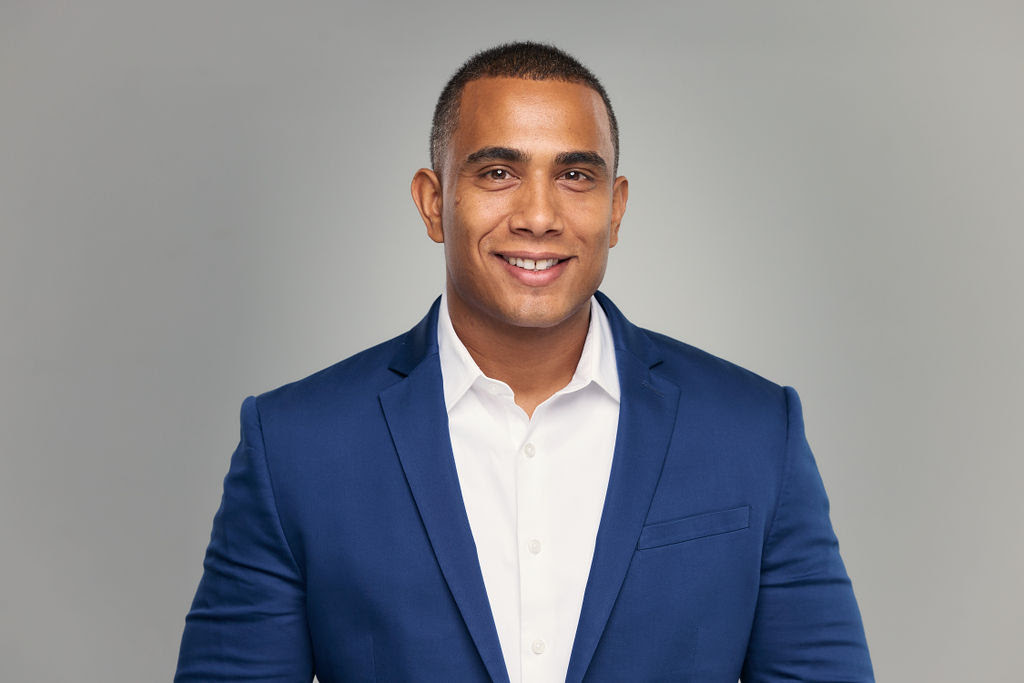
Joseph Tipa
Licensed Realtor®
241 Ruby Ave
Kissimmee FL 34741
Call Now: 407-488-3020